Research
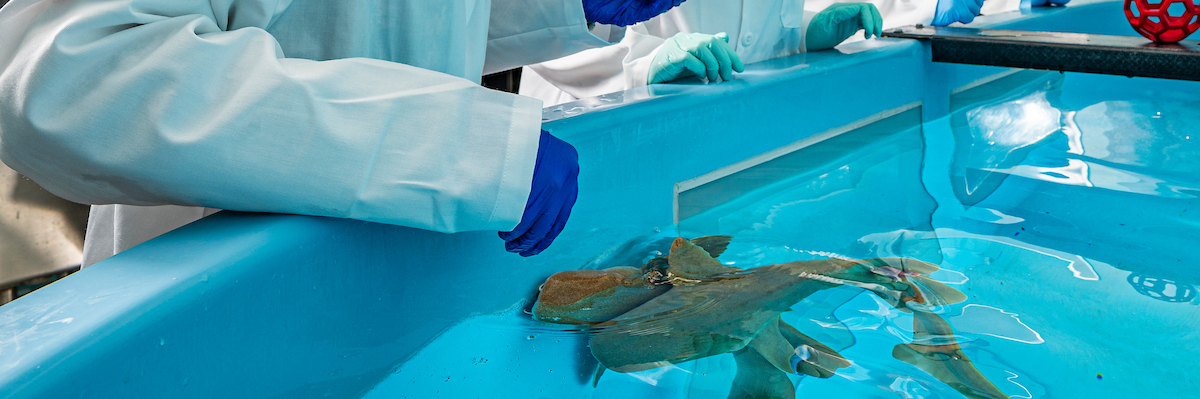
Cancer is not just one disease. A variety of factors influence the way malignant cells develop, spread, and evolve to overcome treatment, even among cancers of the same organ type. That’s why UW Carbone encourages a collaborative, multidisciplinary exchange of ideas and research partnerships, including access to shared research services that enhance research at the discovery, translational, and clinical stages.
Discovery Research
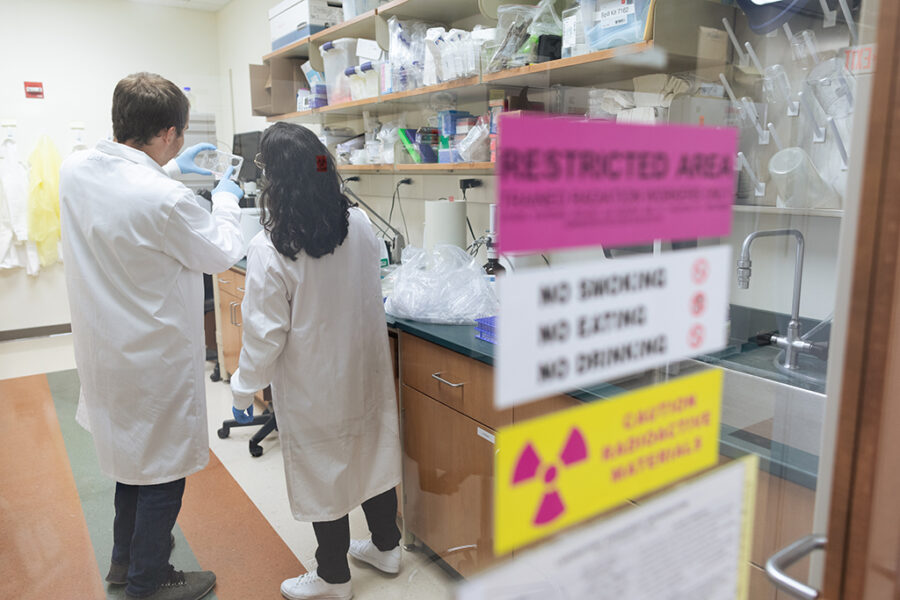
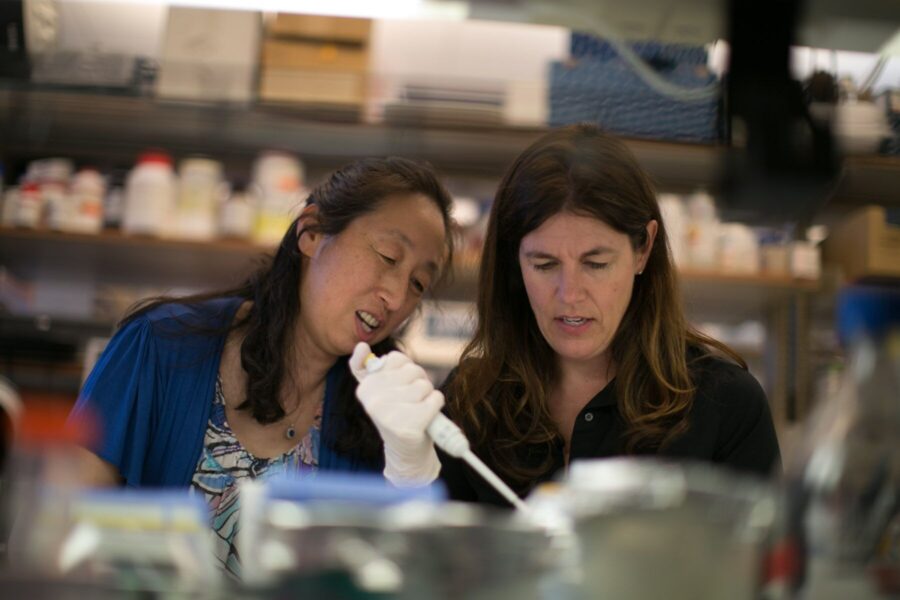
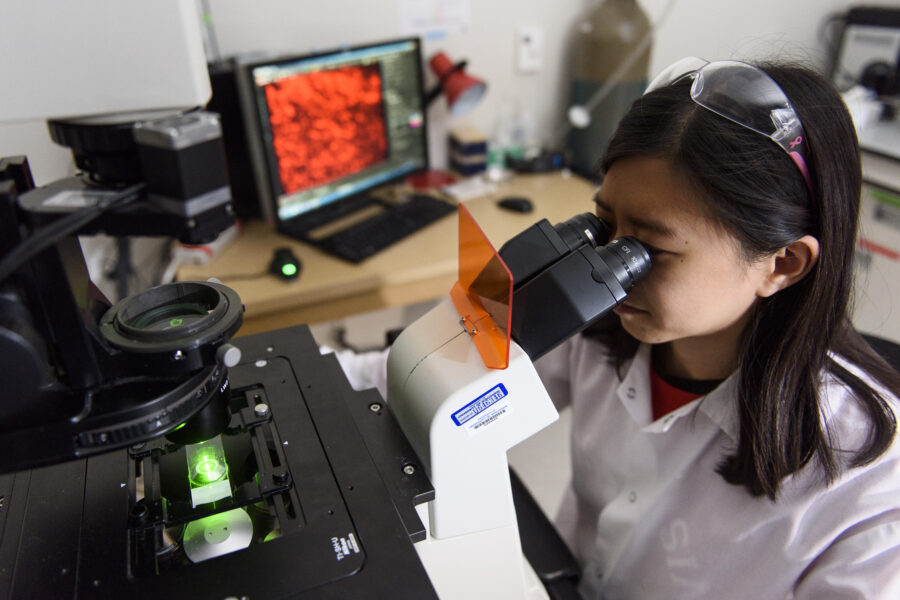
Understanding the fundamental mechanisms of how cancer cells develop and evolve is crucial to informing prevention efforts and developing effective cancer treatments. With the establishment of McArdle Laboratory as one of the first basic cancer research facilities in the world, UW has a distinguished history in bench research.
Translational Research
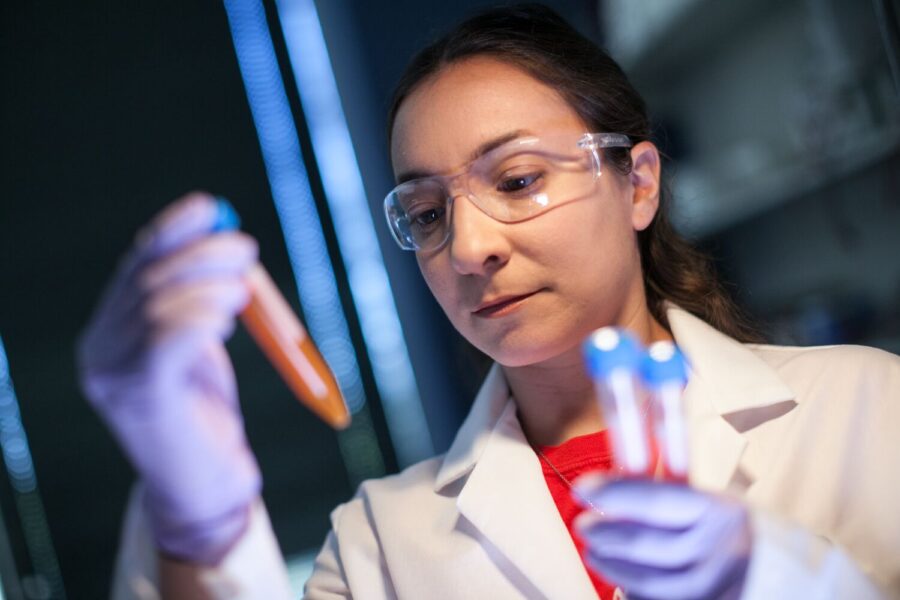
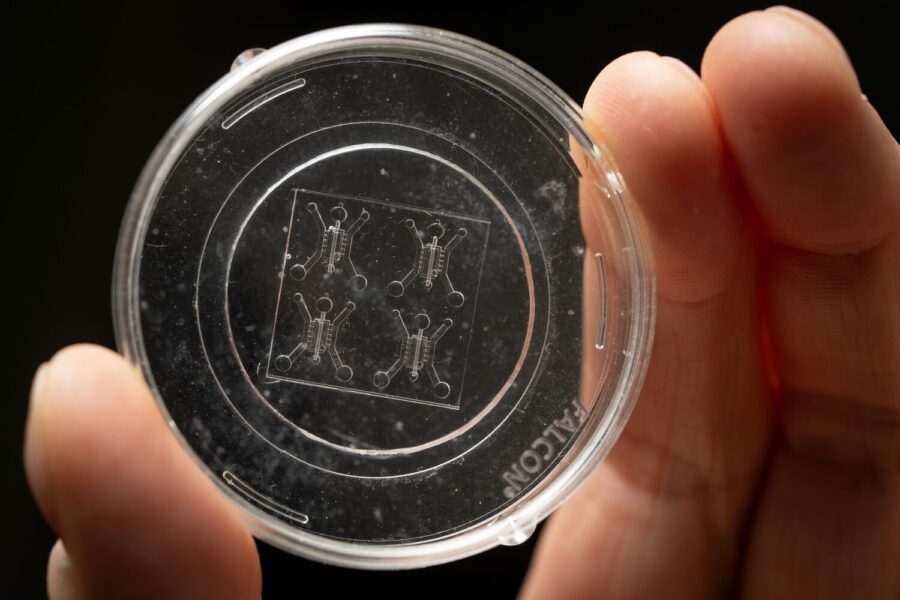
UW Carbone’s translational researchers apply the discoveries and insights learned from bench research to real-world patient needs, such as new methods of cancer prevention, detection, and precision treatments.
Clinical Research
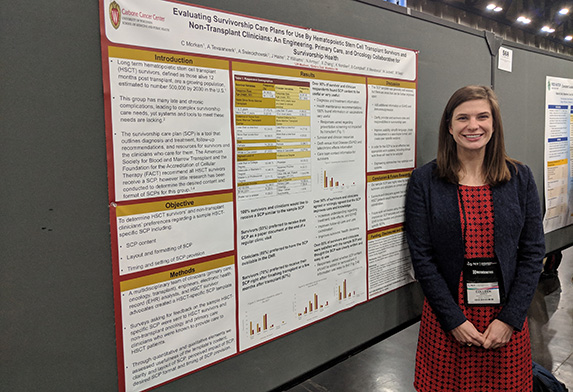
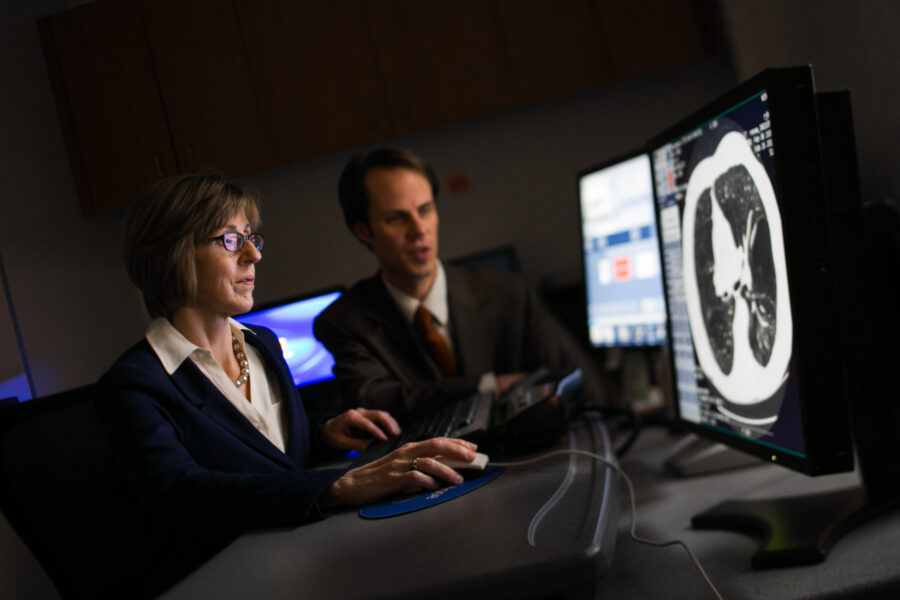
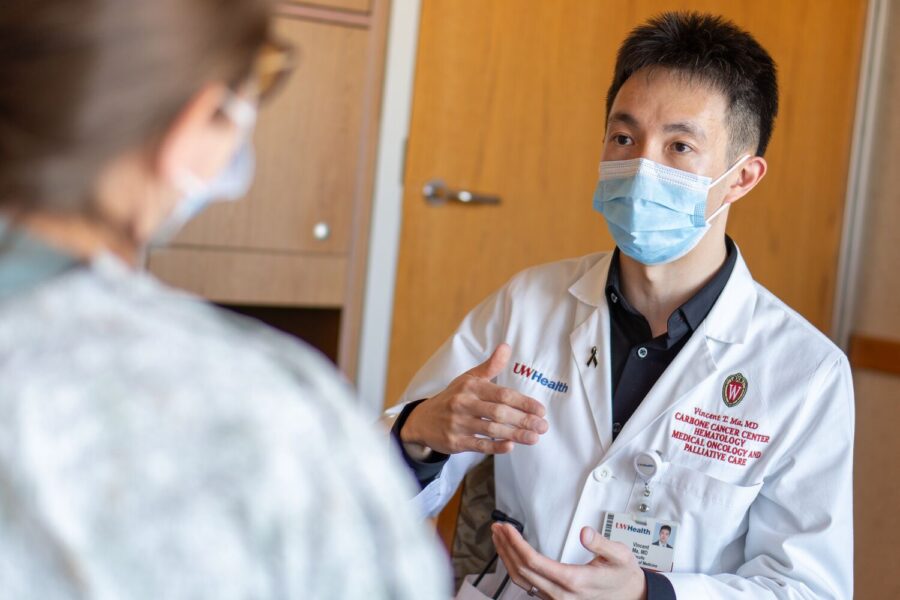
The UW Health | Carbone Cancer Center hosts more than 250 clinical trials at a time, vetting the latest discoveries in cancer prevention and care for FDA approval while prioritizing patient safety. This includes the infrastructure to host first-in-human phase I clinical trials.
Scientific Programs
Cancer Genetic and Epigenetic Mechanisms
Pursues basic and translational research to discover novel cancer genetic and epigenetic mechanisms.
Cancer Prevention & Control
Identifies effective approaches to reduce the burden of cancer for patients, their families, and communities through improved prevention, early detection, and survival.
Developmental Therapeutics
Discovers new targets and therapeutic agents, translates, and advances these discoveries through clinical trials.
Human Cancer Virology
Advances the understanding, prevention, and treatment of virus-associated cancers and other cancers through basic research.
Imaging & Radiation Sciences
Pursues basic, translational, and clinical research involving ionizing and non-ionizing radiation in the diagnosis, staging, and treatment of cancer.
Tumor Microenvironment
Focuses on cell-ECM interactions, ECM structure and function, tumor cell migration and invasion, cell-cell adhesion, paracrine signaling between tumor and stromal cells, immune cell trafficking into tumors, tumor angiogenesis, metabolism, and development of in vitro models.